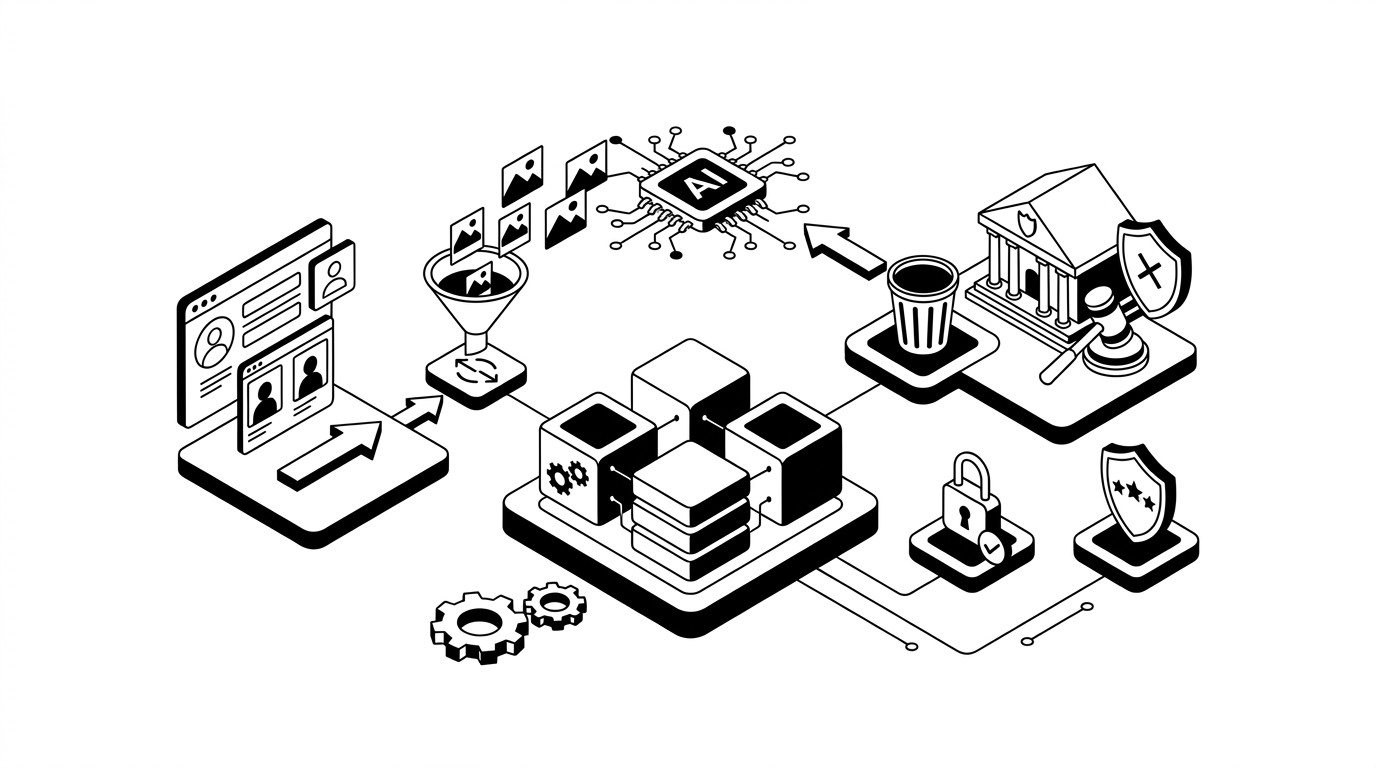
OkCupid handed 3 million user photos to Clarifai in 2014 to train facial recognition software. OkCupid executives had invested in Clarifai. The photos stayed in Clarifai's training pipeline until the FTC forced a settlement years later. Only then did the deletion happen.
The core problem isn't the privacy violation itself. It's that when platform executives hold equity in both sides of a data transaction, users become inventory twice. Your data generates value for the platform you're using, then gets monetized again through a separate company where those same executives hold stakes. The correction came only from regulatory pressure, not internal review.
The Gap Between Action and Consequence
Between 2014 and the FTC settlement, those 3 million photos trained models and improved algorithms. Clarifai likely used that training data to increase its valuation. Deleting the photos after the fact doesn't reverse the models that already shipped or the value already extracted.
This delay is structural, not accidental. Platforms can absorb quarters of bad press or temporary revenue dips. They operate on timelines that don't match yours. If you're running a DTC brand and Facebook changes its attribution window, your ROAS can drop 40% overnight. Facebook adjusts its strategy over months. You might not survive three months of broken unit economics.
The same pattern appears in every platform relationship where you don't set the terms. Shopify can change fee structures or deprecate apps your checkout flow depends on. Google can alter policy enforcement in ways that tank your ad account. You find out after it hits your revenue, never before.
What Reduces Damage When Platforms Shift
You can't eliminate platform risk. You can control how much a single platform change damages your business.
Start with conversion infrastructure. If your product page converts at 1%, a 30% increase in ad costs destroys your margins. If it converts at 3%, you absorb the same increase and stay profitable. Better conversion rates mean the same traffic produces more revenue regardless of which platform sent it. That's not about the platform. That's about removing friction from your own pages.
Owned channels create the same buffer. Email lists and SMS subscribers don't vanish when TikTok changes its algorithm. The OkCupid case shows platforms will prioritize their financial interests over yours when those interests conflict. Your defense is making sure a single platform can't kill your business when it does.
Audit where your critical data lives. Customer emails, purchase history, and product performance data should exist in systems you control. If you can't export your data or move it to another tool, you don't own your customer relationships. You're renting them under terms that can change.
Why New Tools Don't Solve This
Extra is a new email platform built by former Pinterest designers and engineers. Latitude unveiled Voyage, a platform for creating AI-powered RPGs. Both are new tools built on existing infrastructure. Both are subject to the same dynamics that affected OkCupid users.
Adding tools often adds dependency. Every platform in your stack is another set of terms you don't control and another potential failure point when incentives shift. The better move is making your core business less fragile. Product pages that communicate value clearly work whether traffic comes from Facebook, Google, or email. Strong fundamentals mean platform changes hurt less because you're not relying on cheap ads to cover weak conversion rates.
OkCupid's deleted photos represent years of value extracted under terms users didn't agree to. The correction came only after regulators intervened. That's not an edge case. That's how platform economics work when someone else sets the terms. The question isn't whether platforms will prioritize their interests. It's whether your business survives when they do.
Frequently Asked Questions
Did OkCupid users consent to their photos being used for facial recognition training?
The photos were provided to Clarifai in 2014 and used to train facial recognition AI. The deletion only occurred after an FTC settlement with Clarifai, which suggests the original data sharing didn't meet regulatory standards for user consent or disclosure.
Why did OkCupid give Clarifai access to user photos?
Clarifai asked OkCupid to share the data in 2014. OkCupid executives had invested in Clarifai, creating a financial incentive structure where decision-makers had stakes in both the platform and the AI company receiving the data.
What does this mean for businesses that depend on platforms like Shopify or Facebook?
Platforms will prioritize their own incentives when those conflict with yours. Corrections often come only through external pressure, not internal policy. This means platform risk is permanent in your business model. You need buffers: owned channels, strong conversion infrastructure, and control over customer data.
Does deleting the photos reverse the damage?
No. The photos trained facial recognition models for years before deletion. The training that already happened and the models that already shipped can't be reversed by deleting the source data after the fact.
How can DTC founders reduce platform dependency?
Build conversion infrastructure that works regardless of traffic source. Develop owned channels like email and SMS. Ensure customer data exists in systems you control. Create enough margin through better conversion rates to absorb platform changes without destroying your business.