
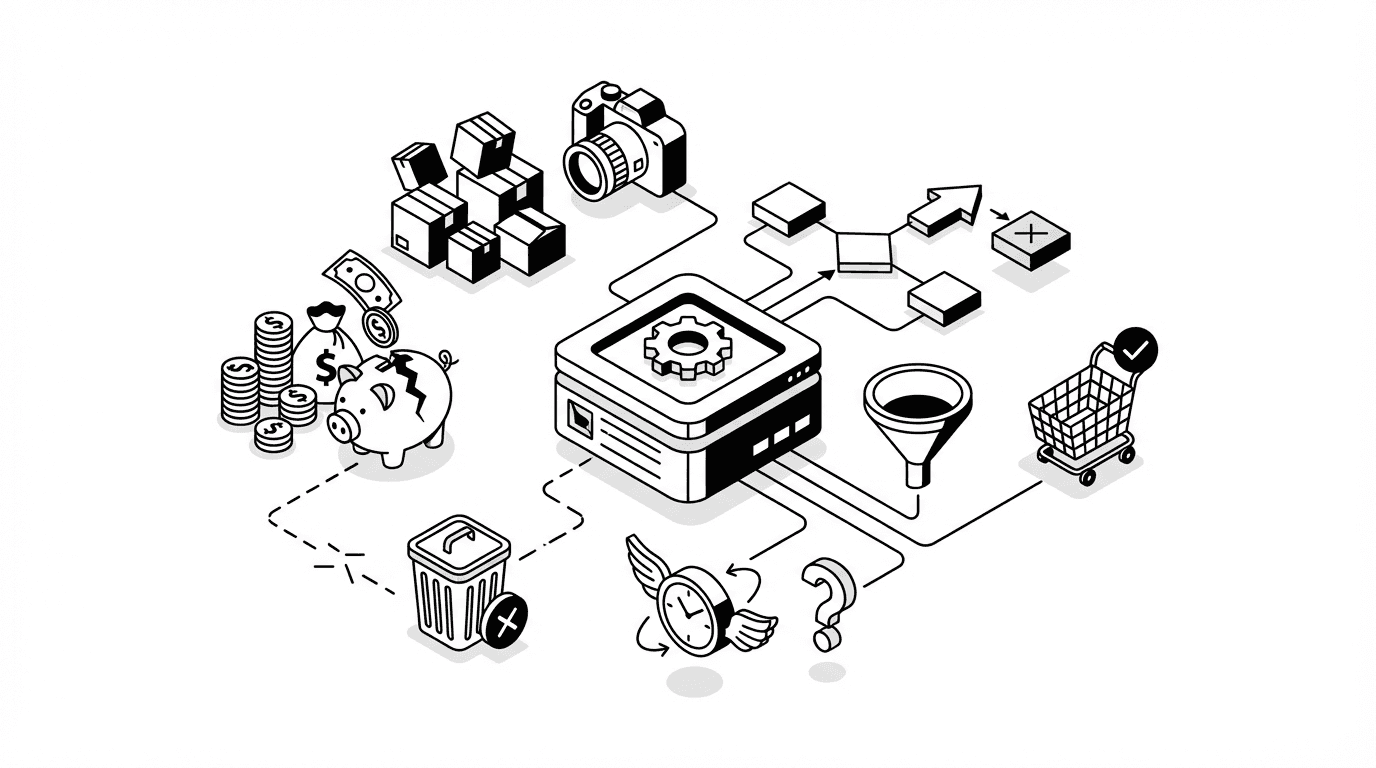
The pressure sensitive tapes and labels market is growing because e-commerce brands are finally treating packaging as part of the conversion funnel, not just a logistics problem. If you're a DTC founder running paid ads and watching repeat purchase rates stagnate, this matters. You can split-test hero images and debate AI-generated lifestyle shots all day, but if your packaging looks cheap when it arrives, you've introduced friction that no product page optimization can fix.
Packaging Is the Last Mile of Your Conversion Funnel
You've optimized your product page. Your ad creative is dialed in. But the moment your customer receives a box with generic tape and labels that scream "I ordered this from AliExpress," you've undermined every dollar you spent on acquisition. This is especially costly for brands in the $10K–$100K/month range. You're past the scrappy MVP phase but not yet big enough to absorb the cost of returns and silent churn from disappointed customers.
The tradeoff is straightforward: better labels and packaging materials cost more upfront, but they directly impact repeat purchase rate and the quality of UGC you get. A customer who feels good about the unboxing experience is more likely to post about it and buy again. A customer who doesn't will ghost you. You'll never know why your retention metrics are stuck because they won't tell you, they'll just stop opening your emails.
This is where most founders misallocate effort. You're optimizing the top of the funnel while ignoring the physical touchpoint that determines whether someone buys again. The pressure sensitive tapes and labels market is growing because smart brands are realizing that packaging is part of the product.
Sustainability Mandates Create a Positioning Opportunity
Regulatory pressure is forcing brands to rethink packaging materials. The cheap options you've been using might not even be available in a year or two. This creates a decision point: wait until you're forced to change, or get ahead of it and use sustainability as a positioning advantage.
For DTC founders struggling with differentiation, this is an opportunity. If your competitors are still using plastic tape and non-recyclable labels, switching to compliant materials gives you a concrete differentiator. It's not about virtue signaling. It's about giving your customer a reason to choose you when the product itself is similar to three other brands they're comparing.
The implication: if you're planning a product launch or refreshing your brand in 2026, your packaging strategy needs to be part of the conversation from day one. Waiting until after you've locked in suppliers and designed your labels means you'll either pay more to redo everything or launch with materials that are already outdated.
Where AI Product Photography Actually Helps
AI-generated product images can help you move faster and test more creative variations. But they can't fix a disconnect between what your ad promises and what your packaging delivers. If your Meta ads show a premium lifestyle product and your customer receives a box that looks like it came from a liquidation warehouse, no amount of prompt engineering will save that relationship.
AI product photography makes sense when you're testing new angles, launching quickly, or need volume for ad creative. It doesn't make sense when you're using it to mask the fact that your actual product experience doesn't match the promise. If your packaging and labeling are weak, better images just widen the gap between expectation and reality.
What to Do Before Your Next Launch
If you're planning a launch in the next six months, source your packaging materials and labels before you finalize your product page design. This sounds backward, but it ensures that what you show in your ads is what customers will actually receive. It also forces you to make decisions about sustainability and branding early, when they're cheaper to implement.
For brands already live and struggling with conversion, audit your unboxing experience. Ask yourself: does this packaging reinforce the positioning on my product page, or does it contradict it? If it contradicts it, you've found a friction point that's costing you repeat purchases and referrals.
The market forecast through 2035 suggests that e-commerce and sustainability will continue driving demand for better packaging solutions. The cost of ignoring this will only increase. The brands that treat packaging as part of their conversion strategy will have a structural advantage over those that don't.